
From Traditional to Digital
Over the past two decades, the Middle East has emerged as a dynamic and vibrant marketplace, shaped by shifting sociocultural norms, technological advancements, and economic prosperity. This transformation is notably reflected in the realm of marketing and advertising, with a clear impact on how businesses allocate their marketing budgets.
In the early 2000s, traditional media held sway, accounting for a significant portion of the advertising expenditure. TV advertising constituted over 50% of the total ad spend in the region in the 2000s. However, as the digital revolution swept across the globe, the Middle East was not left untouched. The penetration of the internet and smartphones, coupled with an increasingly tech-savvy population, led to a shift from traditional to digital advertising.
Recent reports from the Interactive Advertising Bureau (IAB) indicate that the digital advertising market in the Middle East and North Africa (MENA) is expected to reach $2.12 billion (gross) by 2024, registering a compound annual growth rate (CAGR) of 5.5% from 2020. This growth has inevitably affected marketing budgets, with businesses allocating more resources toward digital platforms.
The Rise of Data and Social
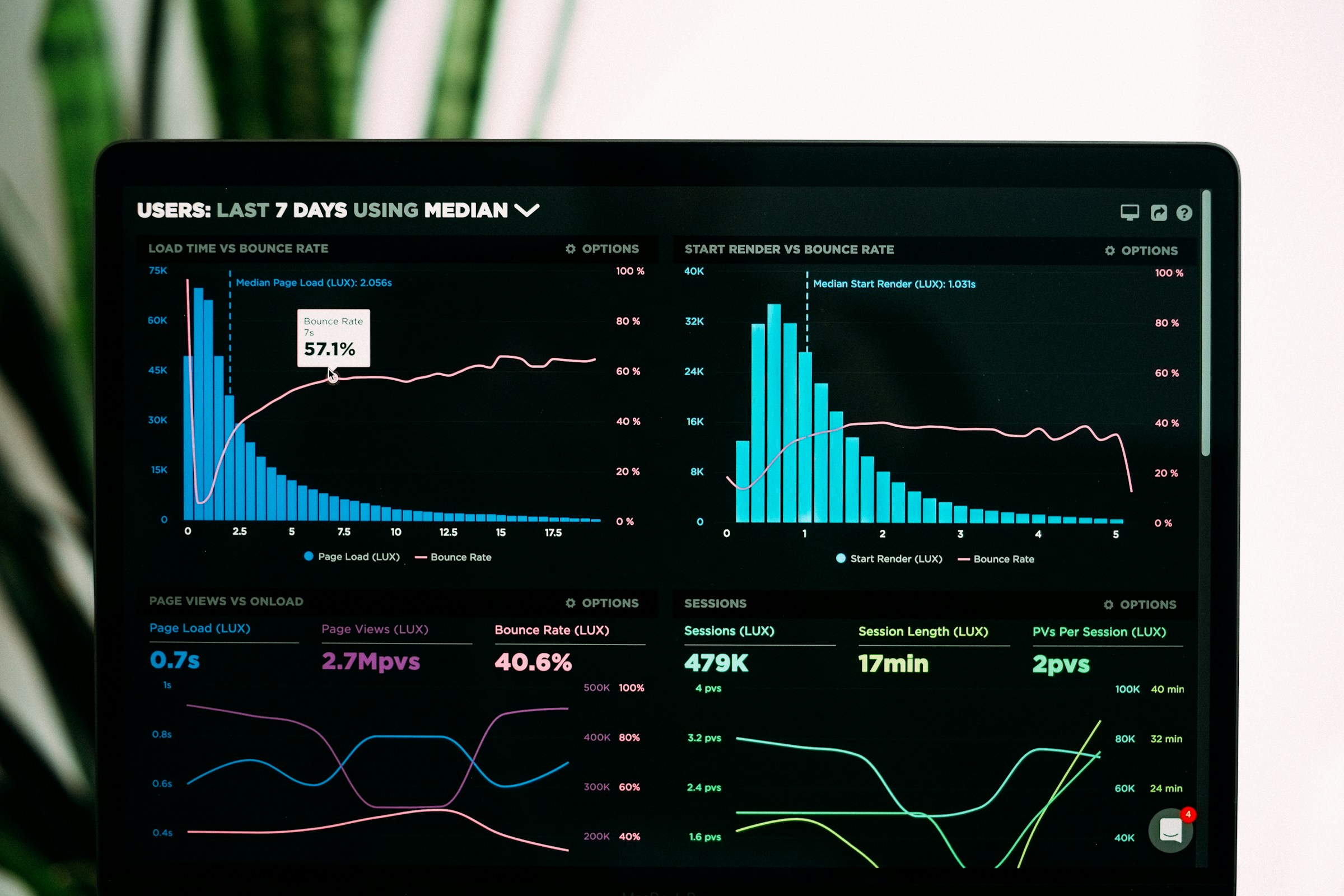
Businesses have already adapted to this digital shift. As the digital sphere becomes increasingly congested, brands must focus on leveraging data analytics to gain insights into customer behavior and preferences. A report by the Data & Marketing Association (DMA) suggests that businesses in the Middle East are significantly increasing their investment in data-driven marketing, with 68% of marketers planning to increase their data-related expenditure in 2024.
Simultaneously, the rise of social media has profoundly influenced marketing strategies. With over 200 million social media users in the MENA region, according to a 2022 report by We Are Social, brands are increasingly investing in social media advertising. Particularly, influencer marketing has gained prominence, as businesses recognize the power of these influencers in shaping consumer decisions.
The Empowered Middle Eastern Consumer
Moreover, the rapidly evolving consumer culture in the Middle East is shaping marketing budget allocations. The empowered Middle Eastern consumer of today, equipped with a plethora of information and choices, demands more than just product-centric marketing. They seek engaging, value-based experiences. According to a recent study by Accenture, 91% of consumers in the UAE and Saudi Arabia are more likely to shop with brands that recognize, remember, and provide relevant offers and recommendations. Consequently, businesses are investing more in creating personalized, customer-centric marketing strategies.
What's Next
Looking forward, the marketing landscape in the Middle East is set to witness several emerging trends. The digitization drive in the region, spurred by initiatives such as Saudi Arabia's Vision 2030, is likely to further fuel the growth of digital advertising. In this scenario, businesses should prepare for increased budget allocations toward new platforms.
On another note, the e-commerce boom in the region, with sales that reached $28.5 billion by 2022 according to Statista, presents new opportunities for digital advertising. Brands should consider investing in enhancing their online presence and providing seamless online shopping experiences.
Lastly, as the region witnesses a growing consciousness of social and environmental issues, businesses need to align their marketing strategies with these values. This alignment could necessitate allocating the budget towards initiatives that promote sustainability and social responsibility.
The progress in marketing and advertising in the Middle East over the past 20 years has seen a shift from traditional to digital, from product-centric to customer-centric, and from profit-driven to value-driven. This evolution has significantly reshaped marketing budgets and strategies, prompting businesses to stay nimble and adaptive in this dynamic marketplace.