A Market Built for Outdoor Advertising
In the bustling city of Dubai, where innovation and modernity intertwine, businesses are continuously seeking effective marketing strategies to captivate the attention of a diverse and discerning consumer base. Among the various avenues available, outdoor advertising has been a powerful tool, enabling brands to make an indelible impression in this dynamic marketplace. Driven by heavy investments in smart-city infrastructure and high-impact roadside media across the Emirates, the broader UAE billboard and outdoor advertising market is projected on a steady upward trajectory toward nearly half a billion dollars, while the Digital Out-of-Home (DOOH) sector expands at a robust compound annual growth rate of roughly 12% to 14.6% [1].
Here I explore the importance of outdoor advertising in Dubai, highlighting its numerous benefits and impact on brand visibility, customer engagement, and business growth.
Reaching a Captive Audience
Outdoor advertising in Dubai holds a significant advantage by reaching a vast and captive audience. With a thriving tourism industry and a population known for its cosmopolitan nature, the city becomes a hub of diverse demographics and cultures. According to municipal tourism and transit data compiled by market analysts, Dubai's public transit networks and metro systems accommodate massive daily riderships exceeding 1.8 to 1.9 million commuters, creating prolonged dwell times for transit media [2]. Billboards, transit advertisements, and other outdoor media have the potential to reach this vast wave of both residents and visitors alike, allowing brands to establish a strong presence and extend their reach to a wide range of potential customers.
Creating Brand Awareness
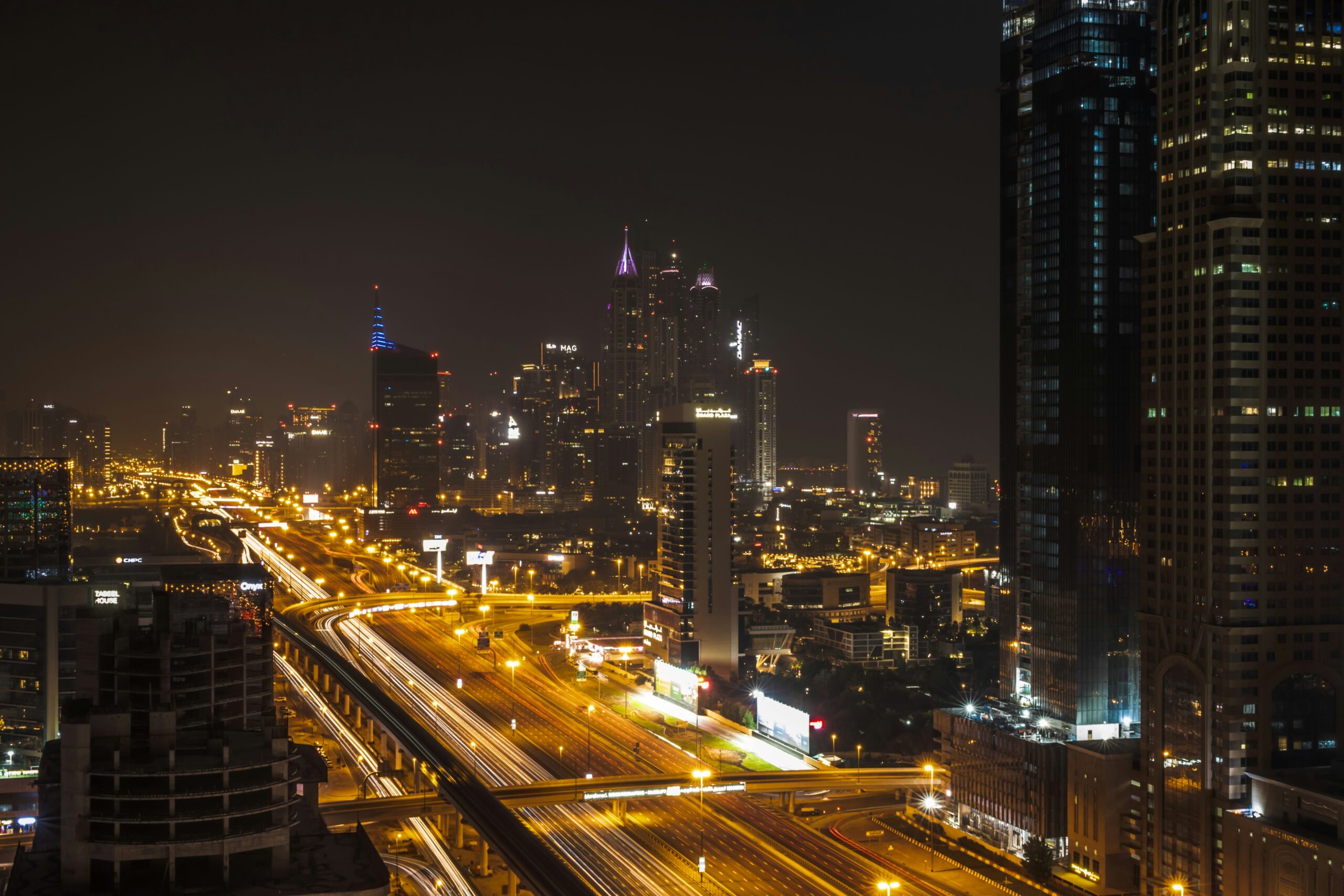
Dubai's vibrant streets, iconic landmarks, and high-traffic areas serve as ideal platforms for creating brand awareness. Outdoor advertising enables businesses to showcase their products or services in strategic locations, capturing the attention of pedestrians, motorists, and commuters. The visually striking nature of outdoor advertisements enhances brand recognition, leaving a lasting impression on the target audience. Industry reports tracking regional ad deployment indicate that roadside displays and traditional building-side media command a major share of regional visibility — with structural building placements acting as one of the fastest-growing application segments — as they persistently engage millions of motorists navigating key arteries like Sheikh Zayed Road every week [3].
Amplifying Visibility
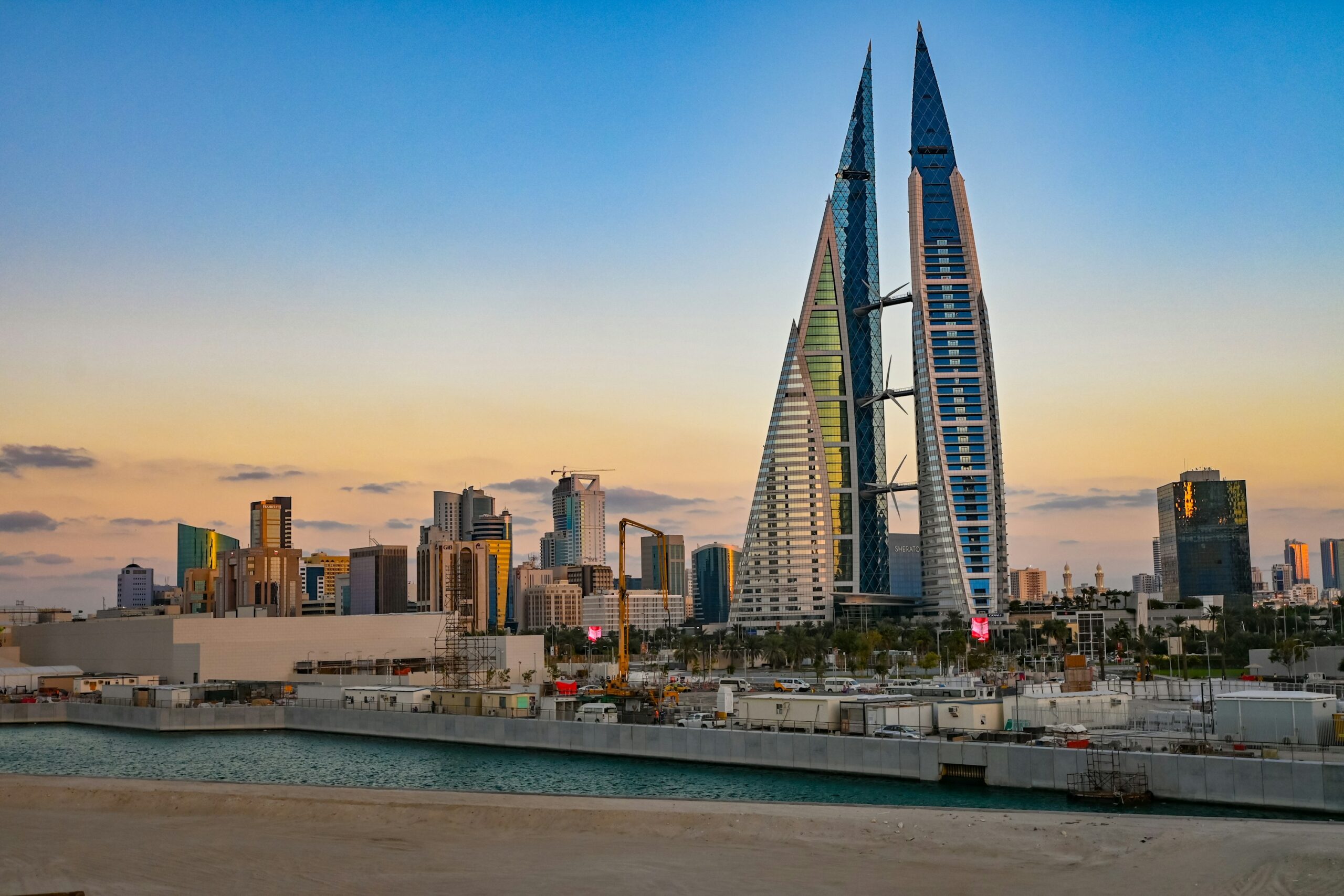
In a city renowned for its towering skyscrapers and grand architecture, outdoor advertising becomes an effective way to amplify brand visibility. Placing advertisements on buildings, bridges, and billboards ensures that brands are showcased prominently against the backdrop of Dubai's stunning skyline. This heightened visibility allows businesses to stand out from the competition and solidify their position in the minds of consumers.
This pattern isn't unique to the region — a Nielsen study found that outdoor advertising drives measurable follow-through, with nearly half of consumers engaging on search engines alone after encountering an outdoor ad, and even higher engagement on social platforms like Facebook, Instagram, and Twitter [4]. For a market as visually driven as Dubai's, that translation from visibility to action is exactly why large-format, architecturally integrated placements remain a priority for brands here.
Engaging and Interactive Formats
Outdoor advertising in Dubai extends beyond static billboards. It embraces a range of interactive and engaging formats that captivate the audience. Digital signage, interactive kiosks, and augmented reality experiences are just a few examples of how outdoor advertising can immerse consumers in unique brand experiences. While non-programmatic and traditional digital screens still form a core baseline, programmatic DOOH buying is scaling rapidly — Mordor Intelligence puts Middle East and North Africa DOOH market growth at over 16% CAGR — with programmatic exchanges increasingly aggregating multi-vendor screen inventory across the region [1].
By leveraging these innovative formats, businesses can foster deeper connections with their target audience and enhance customer engagement.
Mobile and Targeted Advertising
Taxis in Dubai play a significant role in the city's transportation system and provide an ideal opportunity for targeted advertising. Taxi-top displays and interior advertising allow brands to reach a captive audience during their commute, ensuring repeated exposure to the brand message. This mobile advertising approach enhances brand recall and reinforces marketing campaigns, creating a pervasive presence throughout the city.
Beyond Dubai
Albeit I am focusing on Dubai, the insights presented align with established marketing principles and observations of outdoor advertising trends across the entire region.
In Dubai, where innovation and ambition converge, outdoor advertising serves as a potent marketing tool. With its ability to reach a captive audience, create brand awareness, amplify visibility, and engage consumers through various formats, outdoor advertising enables businesses to leave an indelible mark in this vibrant marketplace. By harnessing the power of outdoor advertising, brands can forge stronger connections, drive customer engagement, and propel their growth in the city that epitomizes modernity and progress.
References
- Mordor Intelligence. UAE/MENA Digital Out-of-Home (DOOH) Market Size & Share Analysis — Growth Trends & Forecasts.
- Roads and Transport Authority (RTA) Dubai / Media World. Public Transport Ridership and Transit Media Impact Data.
- Grand View Research. UAE Billboard and Outdoor Advertising Market Size & Outlook, 2030.
- Nielsen, cited via Adtech Today, "The Power of Out of Home Advertising in Middle East."